


Understanding Masseter Botox and Its Ideal Candidates
Masseter Botox has gained popularity as a non-surgical treatment that reshapes the lower face and addresses certain medical concerns. This procedure targets the masseter muscles, which are responsible for chewing and can sometimes cause aesthetic or functional issues. If you have ever wondered what masseter Botox is and whether it might be right for you, this article will provide clear, practical information to help you understand the treatment and who should consider it.

What Is Masseter Botox?
Masseter Botox involves injecting botulinum toxin into the masseter muscles located at the sides of the jaw. These muscles play a key role in chewing by moving the jaw. When these muscles become enlarged or overactive, they can cause a square or bulky jaw appearance, which some people find undesirable.
The Botox works by temporarily relaxing the masseter muscles, reducing their size and activity. This leads to a softer, slimmer jawline and can also relieve symptoms related to muscle tension.
How Does It Work?
Muscle relaxation: Botox blocks nerve signals to the masseter muscle, causing it to relax.
Muscle thinning: Over time, the muscle shrinks due to reduced activity.
Jawline contouring: The reduced muscle size creates a more tapered and refined jaw shape.
The effects usually start to appear within one to two weeks after treatment and can last for three to six months. Repeat treatments are necessary to maintain the results.
Who Should Consider Masseter Botox?
Masseter Botox is suitable for people with specific aesthetic or medical concerns related to the masseter muscles. Here are the main groups who might benefit:
1. People Seeking Facial Slimming
Many individuals want to soften a square or bulky jawline for cosmetic reasons. This is common among those with naturally large masseter muscles or those who clench or grind their teeth, which can cause muscle enlargement.
Example: A person with a broad lower face may want a slimmer, more oval-shaped face.
Result: Botox reduces muscle bulk, creating a more delicate jawline.
2. Those With Bruxism (Teeth Grinding)
Bruxism causes excessive clenching or grinding of teeth, often during sleep. This can lead to jaw pain, headaches, worn teeth, and enlarged masseter muscles.
Benefit: Botox relaxes the muscles, reducing grinding and associated discomfort.
Note: This treatment is often combined with dental devices or other therapies.
3. Individuals With Temporomandibular Joint (TMJ) Disorders
TMJ disorders cause pain and dysfunction in the jaw joint and muscles controlling jaw movement. Overactive masseter muscles can worsen symptoms.
Effect: Botox injections can relieve muscle tension and reduce pain.
Consideration: Botox is part of a broader treatment plan including physical therapy or medication.
4. People With Facial Asymmetry Due to Muscle Hypertrophy
Sometimes one masseter muscle is larger than the other, causing uneven jawlines.
Solution: Botox can be injected selectively to balance muscle size and improve symmetry.
5. Those Who Want a Non-Surgical Alternative
Masseter Botox offers a less invasive option compared to surgical jaw reduction or contouring.
Advantages: Minimal downtime, fewer risks, and reversible effects.
Ideal for: People hesitant about surgery but wanting noticeable changes.
What to Expect During the Procedure
The procedure is quick and usually takes about 15 to 30 minutes. Here’s what typically happens:
The practitioner cleans the injection area.
They may mark the muscle boundaries to guide injections.
Small amounts of Botox are injected into the masseter muscles on each side.
Patients might feel a slight pinch or pressure during injections.
No anesthesia is usually needed.
Most people can resume normal activities immediately after treatment.
Possible Side Effects and Risks
Masseter Botox is generally safe when performed by a qualified professional. Side effects are usually mild and temporary:
Mild pain or bruising at injection sites
Temporary weakness in chewing muscles
Slight asymmetry if injections are uneven
Rarely, difficulty chewing hard foods for a short time
It is important to discuss your medical history and any concerns with your provider before treatment.
How to Choose the Right Provider
Selecting an experienced and licensed practitioner is crucial for safe and effective results. Look for:
Medical professionals trained in facial anatomy and Botox injections
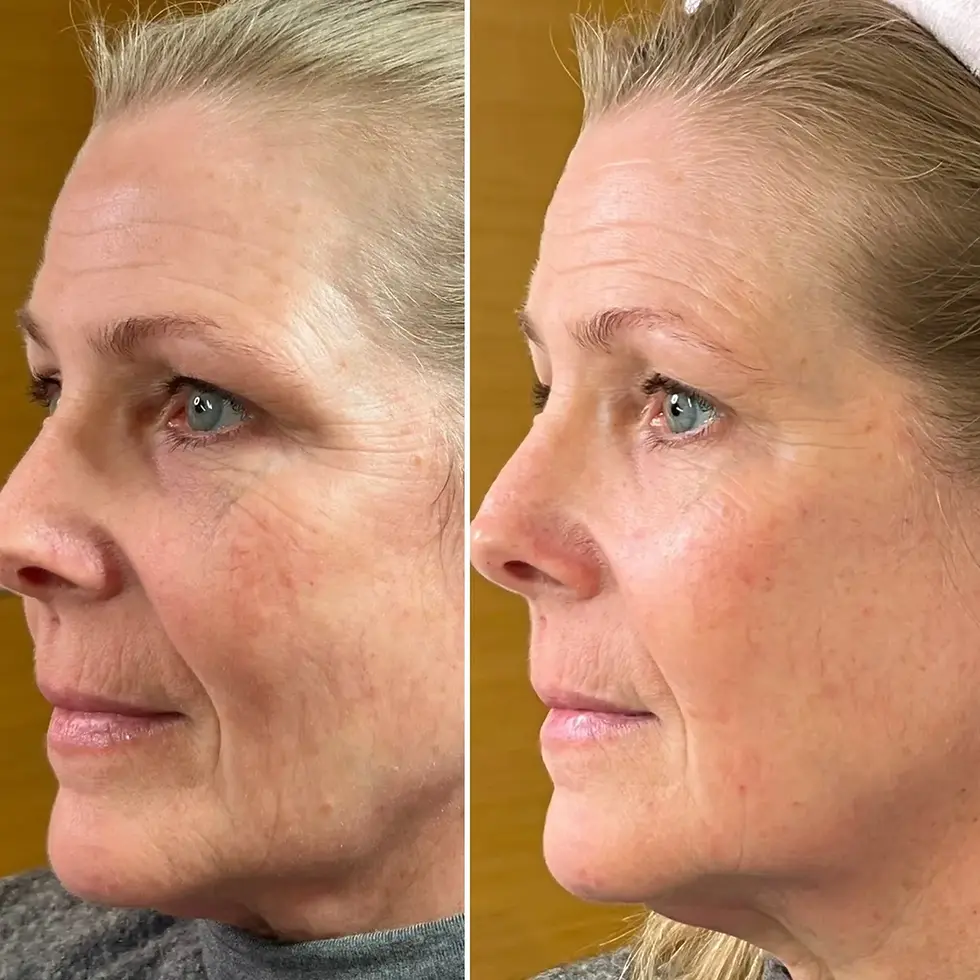
Positive patient reviews and before-and-after photos
Clear communication about risks, benefits, and expected outcomes
A consultation will help determine if masseter Botox suits your needs and goals.
Maintenance and Long-Term Considerations
Since Botox effects wear off, repeat treatments are necessary every few months to maintain results. Over time, some people notice lasting muscle reduction even with less frequent injections.
Tip: Combine Botox with lifestyle changes like stress management to reduce teeth grinding.
Note: Avoid unlicensed providers offering unusually low prices.
Summary
Masseter Botox offers a practical solution for people wanting to slim their jawline, reduce teeth grinding, or relieve jaw pain. It works by relaxing and shrinking the masseter muscles, leading to a softer facial contour and improved comfort. Ideal candidates include those with bulky jaws, bruxism, TMJ disorders, facial asymmetry, or those seeking a non-surgical option.
If you experience discomfort from jaw muscle tension or want to enhance your facial shape without surgery, masseter Botox could be a valuable option. Consult a qualified professional to explore whether this treatment fits your needs and to receive personalized advice.


Comments