


How Long Can You Expect Botox to Last Before Touch-Ups Are Needed
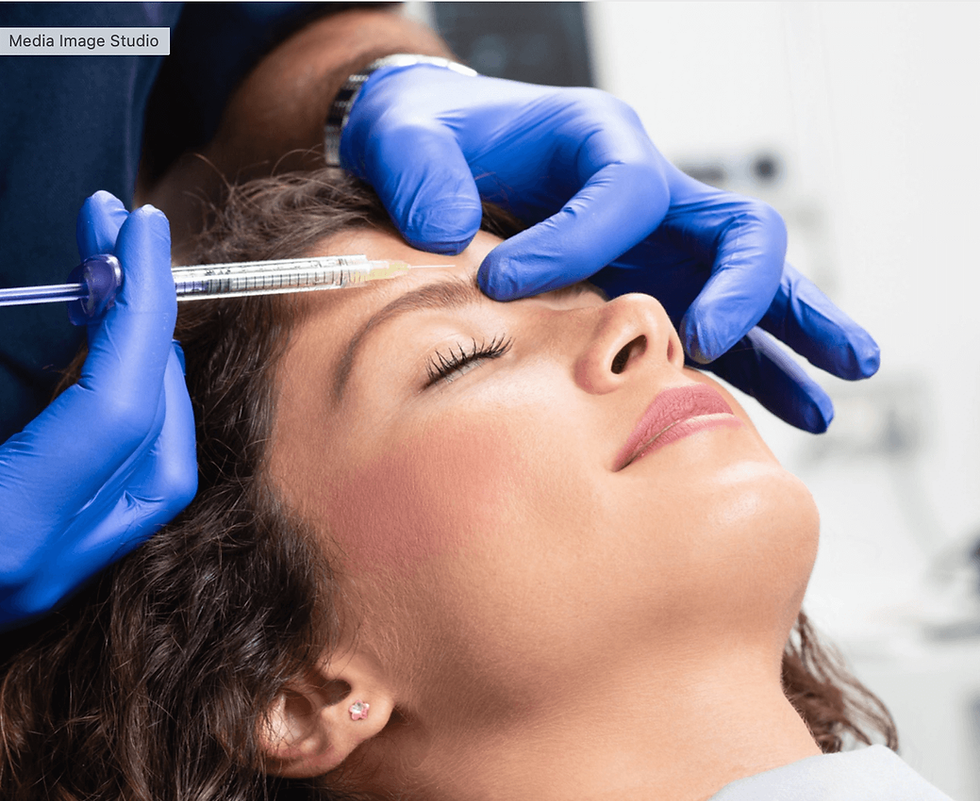
Botox has become one of the most popular cosmetic treatments worldwide, known for its ability to smooth wrinkles and refresh the skin with minimal downtime. If you are considering Botox or already receiving treatments, one of the most common questions is: how long does Botox last? Understanding the duration of Botox effects can help you plan your treatments, manage expectations, and maintain your desired look.
This post explores the typical lifespan of Botox results, factors that influence how long it lasts, and tips for extending its effects. Whether you want to reduce forehead lines, crow’s feet, or other wrinkles, this guide will help you make informed decisions about your Botox routine.
What Is Botox and How Does It Work?
Botox is a purified protein derived from the bacterium Clostridium botulinum. When injected in small amounts into specific facial muscles, it temporarily blocks nerve signals that cause muscle contractions. This relaxation of muscles smooths out wrinkles and fine lines, especially those caused by repeated facial expressions.
The effects of Botox usually become visible within a few days after treatment and reach their peak around two weeks. The treatment is non-surgical and typically takes less than 30 minutes, making it a convenient option for many people.
Typical Duration of Botox Effects
On average, Botox results last between 3 to 6 months. After this period, muscle activity gradually returns, and wrinkles may start to reappear. The exact duration varies from person to person and depends on several factors.
Common Time Frames
3 to 4 months: Many people notice the effects start to fade around this time.
4 to 6 months: Some individuals experience longer-lasting results, especially with repeated treatments.
Beyond 6 months: Rare but possible for some patients with slower muscle recovery.
Factors That Influence How Long Botox Lasts
Several elements affect the longevity of Botox results. Understanding these can help you predict when you might need a touch-up.
1. Individual Metabolism
People with faster metabolisms tend to break down Botox more quickly. This means the effects may wear off sooner. Younger individuals often metabolize Botox faster than older adults.
2. Muscle Strength and Activity
Stronger or more active muscles require more frequent treatments. For example, people who frequently frown or squint may notice Botox wears off faster in those areas.
3. Dosage and Injection Technique
The amount of Botox injected and the skill of the practitioner play a significant role. Higher doses or precise injections into targeted muscles can prolong results.
4. Treatment Area
Different facial areas respond differently to Botox. For example:
Forehead lines may last 3 to 4 months.
Crow’s feet around the eyes often last 4 to 6 months.
Neck bands or other areas might require more frequent touch-ups.
5. Lifestyle Factors
Sun exposure, smoking, and stress can affect skin health and muscle activity, potentially shortening Botox’s effectiveness.
How to Extend the Effects of Botox
While Botox naturally wears off, you can take steps to maximize its duration.
Follow your practitioner’s advice: Proper aftercare can improve results.
Avoid excessive sun exposure: UV rays can damage skin and affect muscle tone.
Maintain a healthy lifestyle: Balanced diet, hydration, and avoiding smoking support skin health.
Schedule regular treatments: Consistent Botox sessions can sometimes lead to longer-lasting effects as muscles weaken over time.
Use complementary skincare: Products with retinoids or peptides can enhance skin texture and appearance.
Botox vial and syringe prepared for injection showing the tools used in wrinkle treatment
What to Expect When Botox Wears Off
As Botox effects fade, muscle movement returns gradually. You might notice:
Wrinkles and lines slowly reappearing.
Muscle contractions becoming stronger.
The need for a touch-up to maintain smooth skin.
It is safe to receive Botox treatments repeatedly. Many patients schedule touch-ups every 3 to 4 months to keep their results consistent.
Signs You Need a Botox Touch-Up
Knowing when to book your next appointment can save you from unexpected wrinkles. Look for:
Visible return of fine lines or wrinkles in treated areas.
Muscle movement that feels stronger than before.
Changes in facial expressions that concern you.
Your practitioner can help you decide the best timing for touch-ups based on your treatment history and goals.
Potential Risks of Waiting Too Long Between Treatments
Waiting too long between Botox sessions does not cause harm, but it may lead to:
More pronounced wrinkles returning.
Muscles regaining full strength, which might require higher doses later.
Temporary dissatisfaction with your appearance.
Regular treatments help maintain a smoother look and may reduce the amount of Botox needed over time.
How to Choose the Right Botox Schedule for You
Every person’s needs differ. To find the best treatment plan:
Discuss your goals and concerns with a qualified practitioner.
Consider your lifestyle and how active your facial muscles are.
Track how long your Botox lasts after each session.
Adjust the frequency of treatments based on your experience.
Final Thoughts on Botox Longevity
Botox offers a reliable way to reduce wrinkles and refresh your appearance for several months. Most people enjoy results lasting between 3 and 6 months, but individual factors influence this timeline. By understanding how Botox works and what affects its duration, you can plan your treatments effectively.
Regular touch-ups, healthy habits, and professional guidance will help you maintain smooth, youthful skin. If you are considering Botox or want to optimize your current routine, consult a licensed practitioner who can tailor treatments to your needs.


Comments