


How Does Botox Work? Understanding the Science Behind Lower Face Treatments
How Does Botox Work? A Scientific Overview
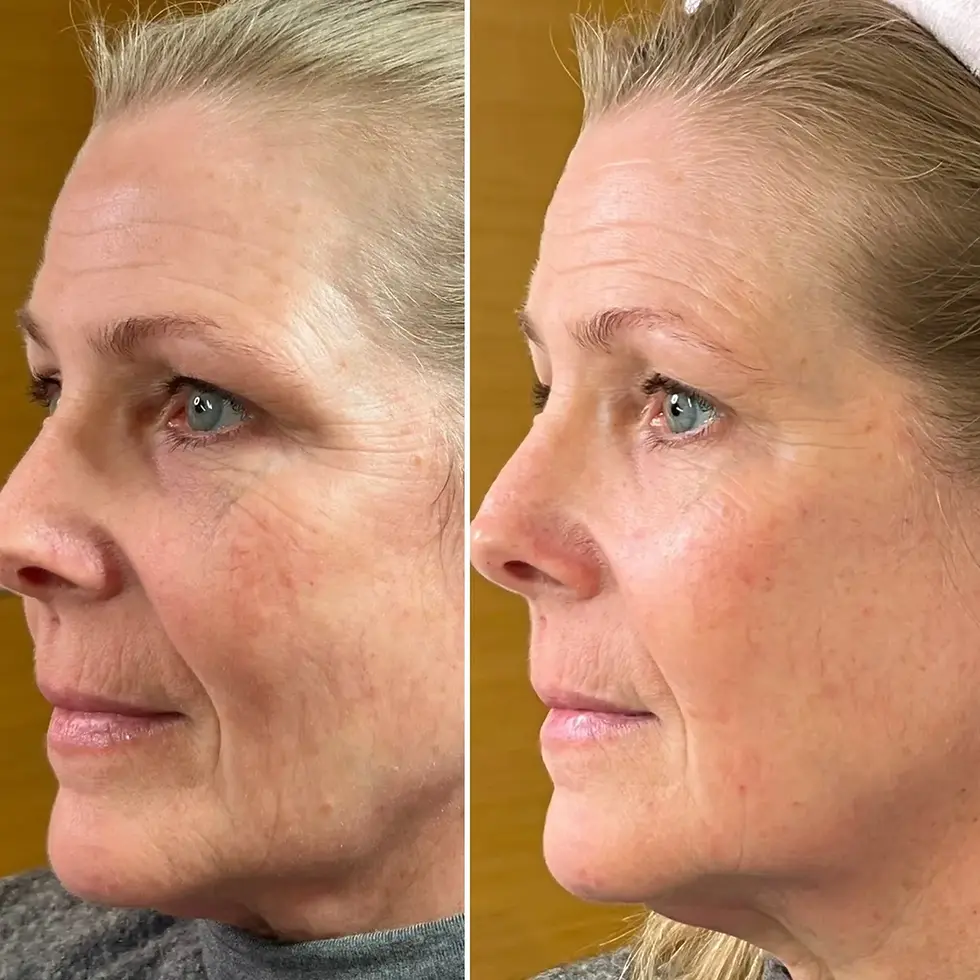
Botulinum toxin, commonly known as Botox, is a purified protein that temporarily disrupts the communication between nerves and muscles. When strategically injected, it blocks the release of acetylcholine at the neuromuscular junction, causing the targeted muscle to relax. This muscle relaxation reduces the appearance of dynamic wrinkles, those that form from repeated facial expressions. Typically, the onset of effect is noticeable within days, with full results emerging around two weeks post-injection. Over several months, the effect gradually wears off as nerve signals resume their normal function.

Anatomy is the Key: Why Practitioner Skill Matters in the Lower Face
While the biochemical mechanism of Botox is consistent, the outcome profoundly depends on anatomical precision and clinical judgement, especially in complex regions like the lower face. This area encompasses a delicate interplay of muscles responsible for expressions such as smiling, frowning, speaking, and maintaining lip function.
Key muscles include:
Depressor Anguli Oris (DAO): pulls down the corners of the mouth.
Depressor Labii Inferioris: lowers the bottom lip.
Mentalis: raises and protrudes the chin skin.
Orbicularis Oris: encircles the mouth, enabling speech and lip closure.
Platysma: neck muscle influencing jawline and lower facial tone.
Any misplacement or overdosing in these muscles may subtly alter your smile, cause difficulty with lip closure or speech, or create asymmetry. This is why nuanced knowledge of facial anatomy and cautious dosing are paramount. A skilled practitioner must understand the precise anatomy and individual variations to deliver natural-looking results that maintain function.
Beyond the Product: What Distinguishes Skilled Application?
The efficacy of botulinum toxin treatments is less about the product itself, since pharmaceutical formulations are strictly regulated, and more about the expertise behind its application. Experienced clinicians assess muscle strength, facial structure, and individual expression to tailor treatments precisely.
At Montclaire Aesthetics, we tailor Botox and its variants, like Baby Botox, which uses lower doses to soften lines without freezing expression, and Botox facials, which target skin surface layers for improved texture and reduced pore size, inflammation, or oiliness.
Such customised approaches require a detailed understanding of anatomy and patient goals, underscoring why complex lower-face interventions demand advanced skill.
Frequently Asked Questions
Q1: How long does Botox take to work?
Typically, effects begin within 3-5 days, reaching full expression by about two weeks.
Q2: Will Botox affect my ability to smile or speak?
When administered by an experienced practitioner with thorough anatomical knowledge, Botox relaxes muscles without impairing essential functions like smiling or speech.
Q3: How long do the effects last?
Results usually last three to four months, but this varies by individual due to factors like metabolism and muscle activity.
Q4: What is Baby Botox and how does it differ?
Baby Botox uses smaller doses to subtly soften lines while preserving natural facial expressions, ideal for earlier signs of ageing or those seeking a very natural look.
Q5: Is Botox suitable for men and younger adults?
Yes. Men and younger adults may benefit from Botox to manage early wrinkles or maintain facial freshness. Treatment is tailored individually.


Comments